
QUEEN ELIZABETH NATIONAL PARK
Queen Elizabeth National Park safari
Where Lions Climb Trees and Hippos Crowd the Kazinga Channel. Queen Elizabeth National Park safari
In the heart of western Uganda, where the savannah meets the forest and the Rift Valley stretches toward the horizon, lies one of Africa’s most remarkable wildlife destinations. Queen Elizabeth National Park is a place of superlatives. It is Uganda’s most popular savannah park, drawing travelers from around the world to its diverse landscapes and abundant wildlife. The park spans more than 1,900 square kilometers, encompassing open plains, acacia woodlands, crater lakes, and the winding Kazinga Channel that connects Lake Edward and Lake George. But Queen Elizabeth is best known for two extraordinary attractions. In the Ishasha sector, lions have learned to climb trees, lounging in the branches of fig trees in a behavior rarely seen elsewhere in Africa. And on the Kazinga Channel, the densest concentration of hippos in East Africa crowds the shoreline, their grunts and splashes a constant soundtrack to the boat safaris that glide through these waters. At Africa Exotic Safaris, we have been guiding travelers into this remarkable park for more than a decade. We know where the tree climbing lions are resting. We know the best times for the Kazinga Channel boat safari. We know the hidden corners where elephants gather and leopards stalk. We invite you to discover the wonders of Queen Elizabeth National Park.
Why Queen Elizabeth National Park safari Is Special
You may be wondering what makes Queen Elizabeth National Park stand out among Uganda’s many protected areas. The answer lies in its diversity and its unique attractions. Queen Elizabeth is one of the most biodiverse parks in Africa. It is home to more than 95 mammal species and more than 600 bird species, a number that rivals any park on the continent. The landscapes are stunningly varied, from the open savannah of the Kasenyi plains to the forested crater lakes of the Maramagambo Forest, from the wetlands of the Kazinga Channel to the remote Ishasha sector.
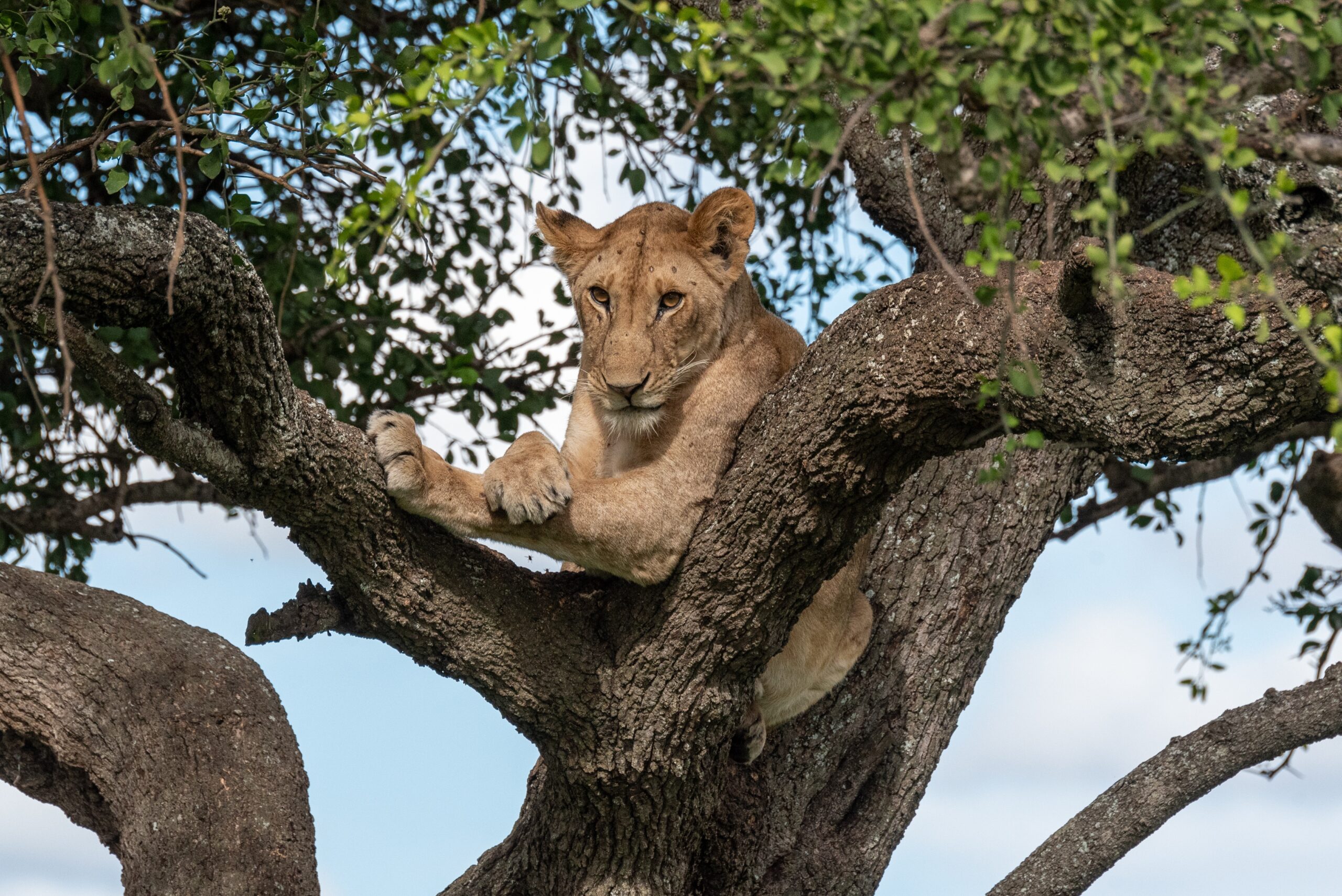
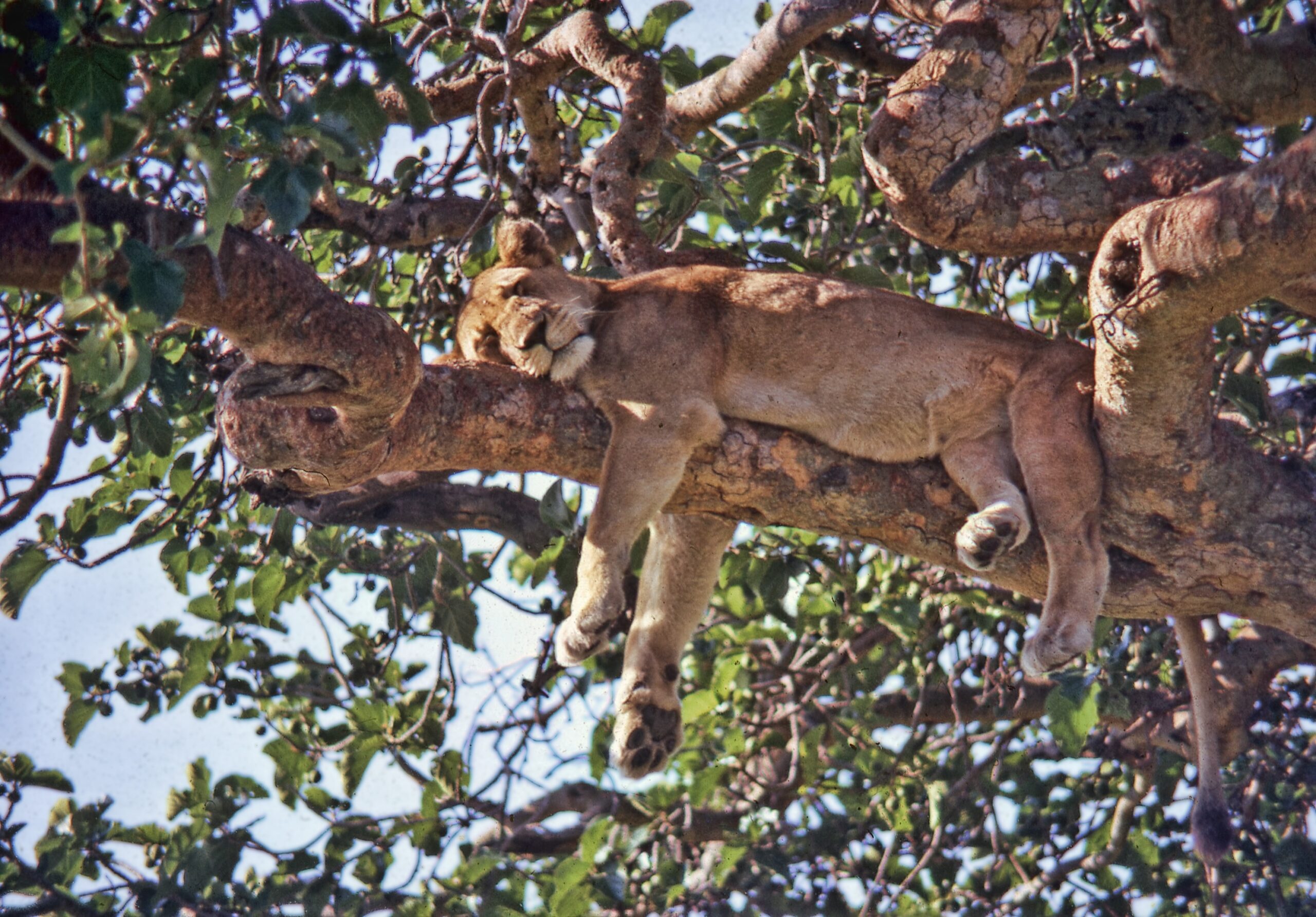
But Queen Elizabeth’s fame rests on two unique attractions. The tree climbing lions of Ishasha are a phenomenon that draws visitors from around the world. No one knows exactly why the lions of this sector have taken to the trees. Some say it is to escape the heat and biting insects on the ground. Others suggest it is to get a better view of the buffalo herds that are their primary prey. Whatever the reason, the sight of a lion draped over the branches of a fig tree, its paws dangling lazily, is unforgettable.
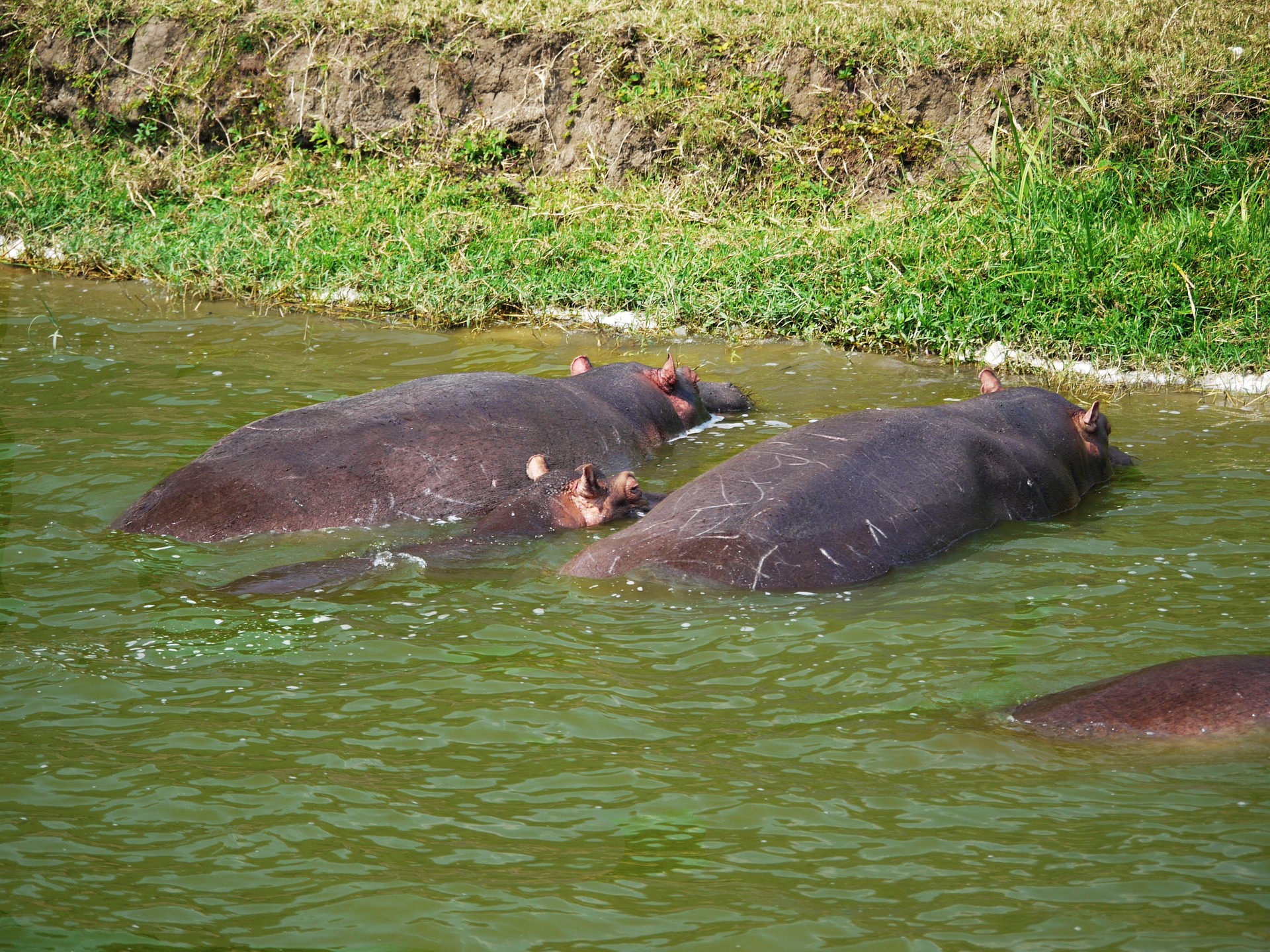
The Kazinga Channel is another marvel. This 32 kilometer stretch of water connects Lake Edward and Lake George, and it is home to one of the densest concentrations of hippos in East Africa. Thousands of hippos crowd the shoreline, along with elephants, buffalo, and a spectacular array of birds. A boat safari on the Kazinga Channel is one of the most rewarding wildlife experiences in Africa.
The Tree Climbing Lions of Ishasha
A Phenomenon Found Nowhere Else
Queen Elizabeth National Park safari
The Ishasha sector lies in the southern part of Queen Elizabeth National Park, a remote and beautiful area where the savannah gives way to fig forests along the Ntungwe River. This is where the lions have learned to climb. The behavior is not unique to Ishasha. Lions have been known to climb trees in a few other locations in Africa, including Lake Manyara in Tanzania. But nowhere are the tree climbing lions as reliably seen as in Ishasha.
The lions of Ishasha favor the large fig trees that dot the landscape. They climb into the branches, often resting for hours or even days at a time. You will see them draped over the limbs, their paws hanging down, their golden coats blending with the leaves. Cubs tumble among the branches, learning the skill from their mothers. The sight is surreal, a reminder that even the most familiar animals can surprise us.
The best time to see the tree climbing lions is in the dry seasons, from June to September and December to February, when the vegetation is less dense and the lions are easier to spot. Early morning and late afternoon are the best times, when the light is golden and the lions are most active. Our guides know the territories of the different prides and will take you to the areas where sightings are most likely.
The Ishasha sector is also home to other wildlife. Topi, a graceful antelope found in few other places in Uganda, are common here. Buffalo gather in large herds. Elephants move through the fig forests. And the bird life is spectacular, with the rare shoebill stork sometimes seen in the wetlands.
The Kazinga Channel Boat Safari
The Best Hippo Viewing in East Africa while on Queen Elizabeth National Park safari
Queen Elizabeth National Park safari
The Kazinga Channel is the heart of Queen Elizabeth National Park. This 32 kilometer stretch of water connects Lake Edward and Lake George, and it is a magnet for wildlife. The channel is lined with hippos. Thousands of them. They crowd the shoreline, their massive bodies half submerged, their grunts and splashes filling the air. A boat safari on the Kazinga Channel is one of the most memorable wildlife experiences in Africa.
You will board a comfortable boat at the Mweya Peninsula and glide out onto the channel. The water is calm, the views are stunning, and the wildlife is everywhere. Hippos yawn and snort, their mouths opening wide to reveal formidable teeth. Crocodiles bask on the sandbanks, their ancient eyes watching. Elephants come to the water’s edge to drink, their trunks curling and uncurling as they suck up the water. Buffalo wade into the shallows, their massive horns silhouetted against the sky. And the birds are everywhere: African fish eagles perched on the trees, kingfishers diving for fish, herons standing motionless in the shallows.
The boat safari lasts about two hours, but it can feel like no time at all. You will be captivated by the abundance of life, the intimacy of the encounters, and the sheer beauty of the channel. The best times for the boat safari are early morning and late afternoon, when the light is soft and the animals are most active. The early morning safari offers the chance to see the hippos returning from their night of grazing. The late afternoon safari offers stunning light for photography and the chance to see elephants and buffalo coming to drink.
The Kasenyi Plains on a Queen Elizabeth National Park safari
Uganda’s Premier Savannah
Queen Elizabeth National Park safari
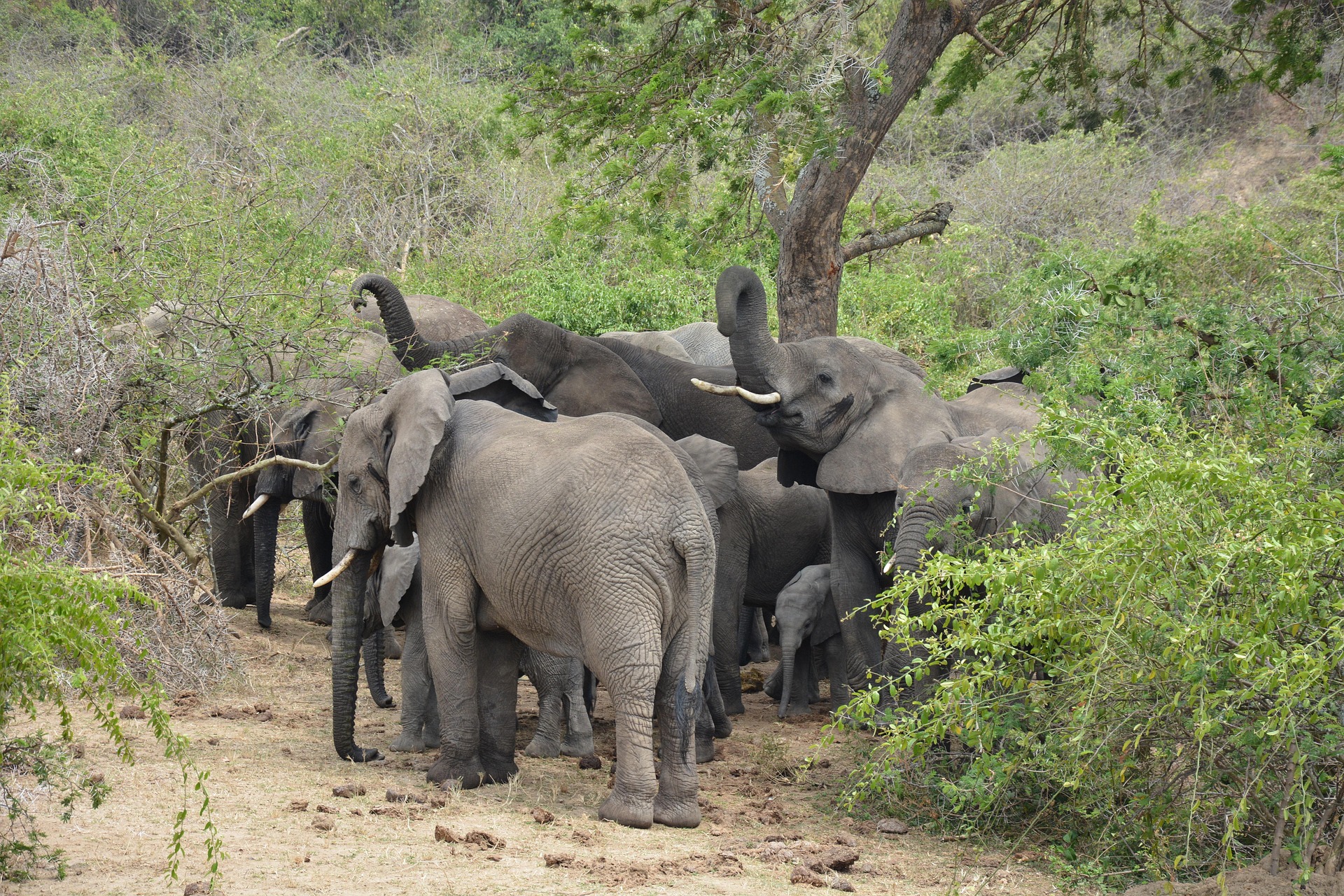
The Kasenyi Plains, in the northern part of Queen Elizabeth National Park, are the heart of the park’s savannah. This is where you will find the classic African wildlife experience. The plains stretch to the horizon, dotted with acacia trees and termite mounds. The grass is golden in the dry season, green in the rains. And the wildlife is abundant.
The Kasenyi Plains are famous for their lions. Unlike the tree climbers of Ishasha, the lions here spend most of their time on the ground, hunting the large herds of Uganda kob that gather on the plains. The lions of Kasenyi are among the most frequently seen in Uganda, and they are often spotted with kills. Leopards are also present, though they are more elusive. Hyenas, jackals, and mongooses are common.
The kob breeding grounds are a highlight. Here, hundreds of Uganda kob, a beautiful antelope found only in this region, gather for the breeding season. The dominant males defend their territories, while females move between them. The sight of so many kob in one place is spectacular, and the predators are never far away.
The Kasenyi Plains are also excellent for elephants, buffalo, and a variety of antelope. The bird life is rich, with ostriches, secretary birds, and numerous raptors. The best time for game drives on the Kasenyi Plains is early morning and late afternoon, when the light is golden and the animals are most active.
The Crater Lakes
Queen Elizabeth National Park safari, Uganda’s Little Switzerland
Queen Elizabeth National Park safari
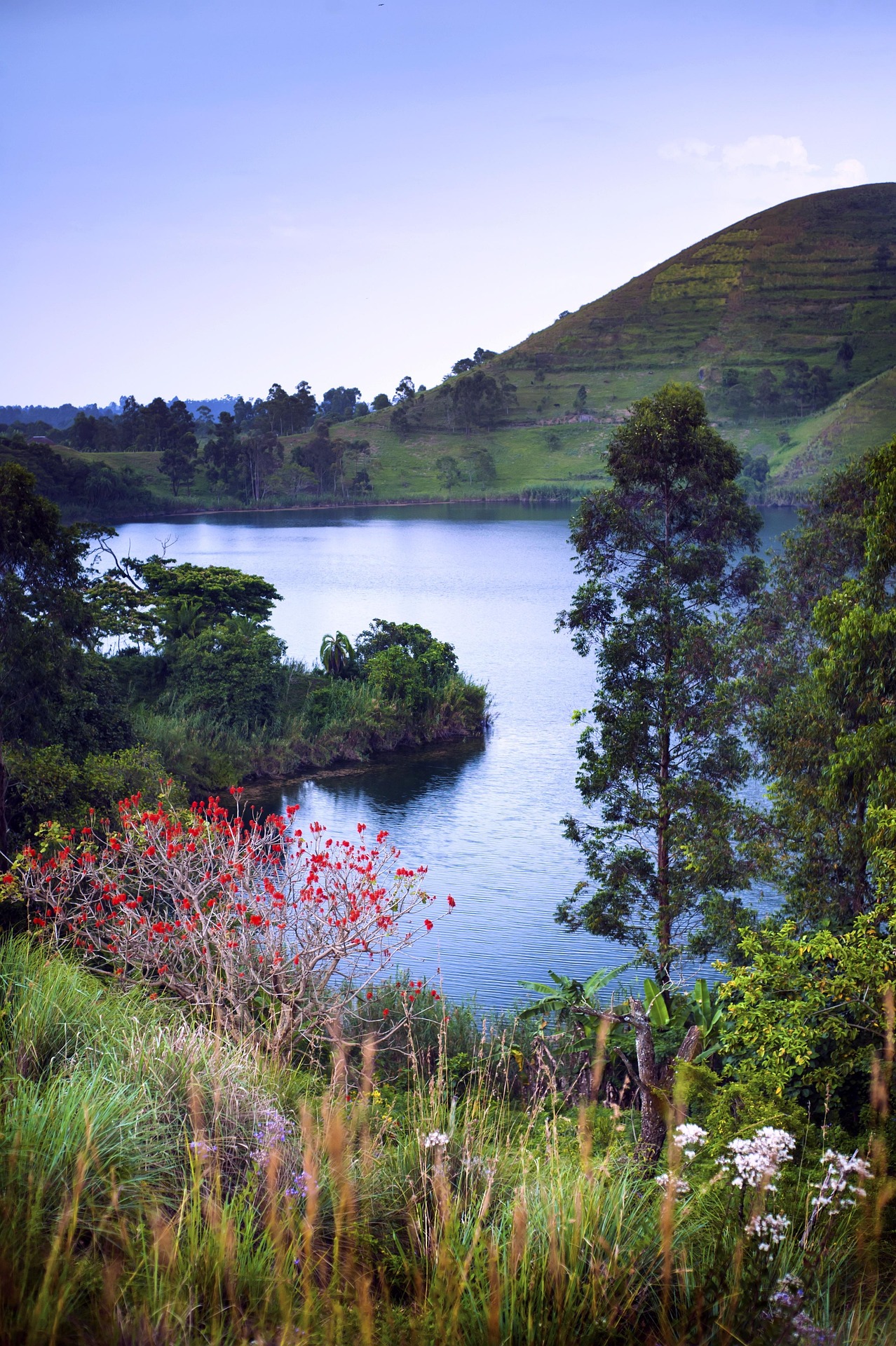
Scattered across Queen Elizabeth National Park are more than 50 crater lakes, remnants of volcanic activity that shaped this landscape millions of years ago. These lakes are stunningly beautiful, their calm waters reflecting the surrounding hills. The area is often called Uganda’s Little Switzerland, and for good reason. The views are breathtaking.
Some of the crater lakes are saline, their shores crusted with white salt deposits. Others are freshwater, fringed with papyrus and palm trees. Each lake has its own character, its own wildlife, its own story. Lake Nyamusingiri, Lake Kikorongo, and Lake Katwe are among the most accessible. Lake Katwe is particularly interesting, with a long history of salt mining that continues to this day.
A drive through the crater lakes area is a scenic delight. The roads wind through the hills, offering panoramic views of the lakes below. The area is also good for bird watching, with flamingos sometimes seen on the saline lakes. For travelers who enjoy photography, the crater lakes offer some of the most stunning landscapes in Uganda.
The Maramagambo Forest
A Primate and Bat Haven
In the eastern part of Queen Elizabeth National Park lies the Maramagambo Forest, a tropical rainforest that is a haven for primates and other wildlife. The forest is home to chimpanzees, though they are not habituated for trekking here. It is also home to black and white colobus monkeys, red tailed monkeys, and blue monkeys. A guided walk through the forest can reveal these primates, along with the forest’s rich bird life and unique vegetation.
The highlight of the Maramagambo Forest is the bat cave. A short walk leads to a cave where thousands of bats roost during the day. A viewing platform allows you to observe the bats without disturbing them. Nearby, a python has taken up residence, waiting for bats that fall from the ceiling. The sight of the python coiled among the rocks is a reminder of the raw, untamed nature of this forest.
The Maramagambo Forest is also home to the crater lakes of Kyasanduka and Nyamusingiri, which are stunningly beautiful. A walk along the crater rim offers panoramic views of the forest and the lakes below.
The Kyambura Gorge
The Valley of the Apes
Queen Elizabeth National Park safari
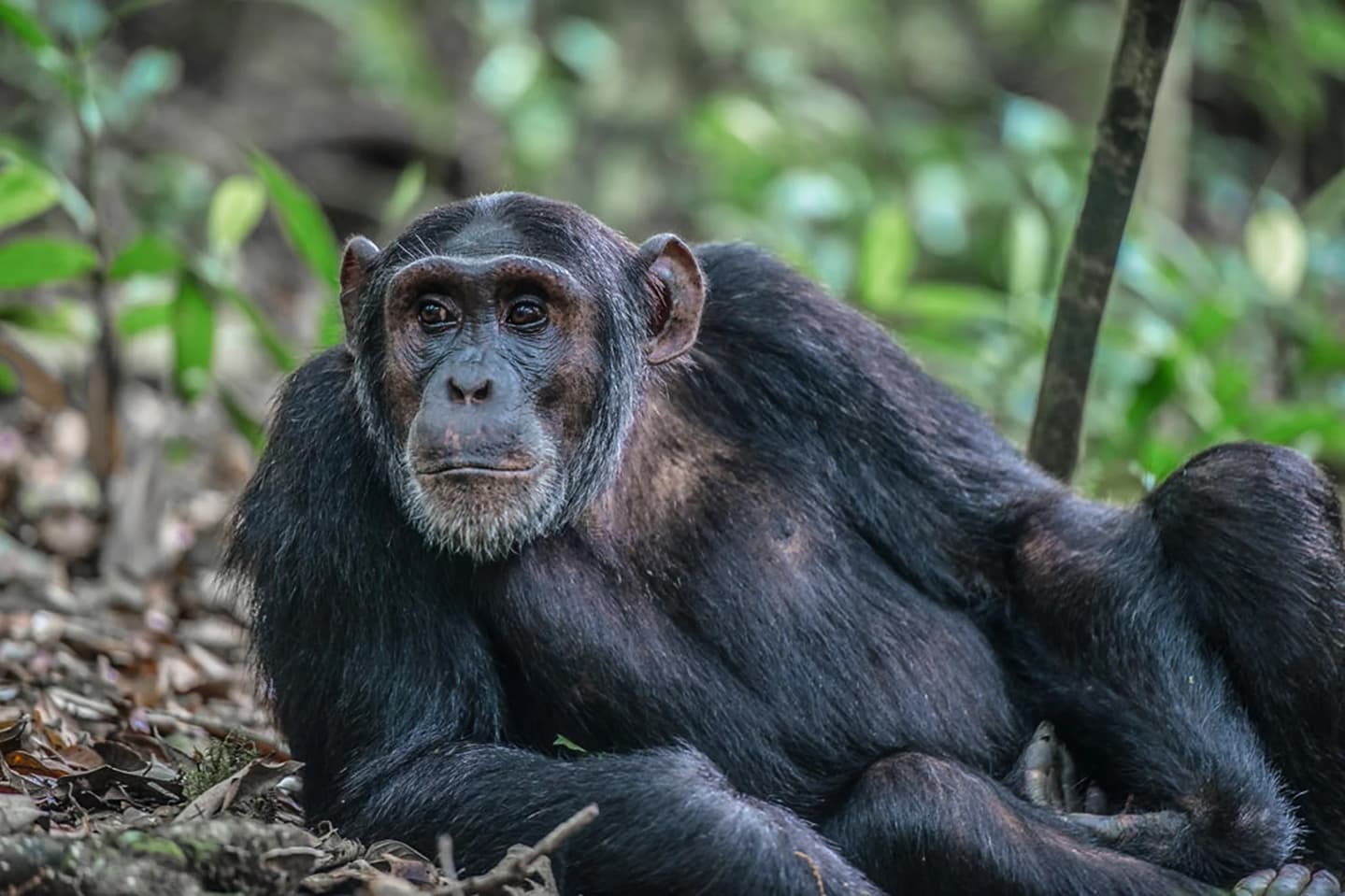
The Kyambura Gorge is one of the most dramatic landscapes in Queen Elizabeth National Park. This steep sided gorge, carved by the Kyambura River, cuts through the savannah, creating a lush, forested oasis in the midst of the open plains. The gorge is often called the Valley of the Apes, because it is home to a small but habituated community of chimpanzees.
A chimpanzee trek in Kyambura Gorge is a unique experience. Unlike the chimpanzee trek in Kibale Forest, which takes place in a dense rainforest, the Kyambura trek takes you into a steep, narrow gorge. The terrain is challenging, with steep descents and climbs, but the setting is stunning. The chimps here are less frequently visited than those in Kibale, offering a more intimate experience.
The Kyambura Gorge is also home to other primates, including black and white colobus monkeys and red tailed monkeys. The bird life is rich, with the rare African finfoot sometimes seen along the river. A walk through the gorge is a highlight for any visitor to Queen Elizabeth.
Chimpanzee permits for Kyambura Gorge cost $50 per person, making it a more affordable option than Kibale. However, the chimpanzees in Kyambura are less habituated, and sightings are not guaranteed.
Bird Watching in Queen Elizabeth
Queen Elizabeth National Park safari: A Paradise for Birders
Queen Elizabeth National Park safari
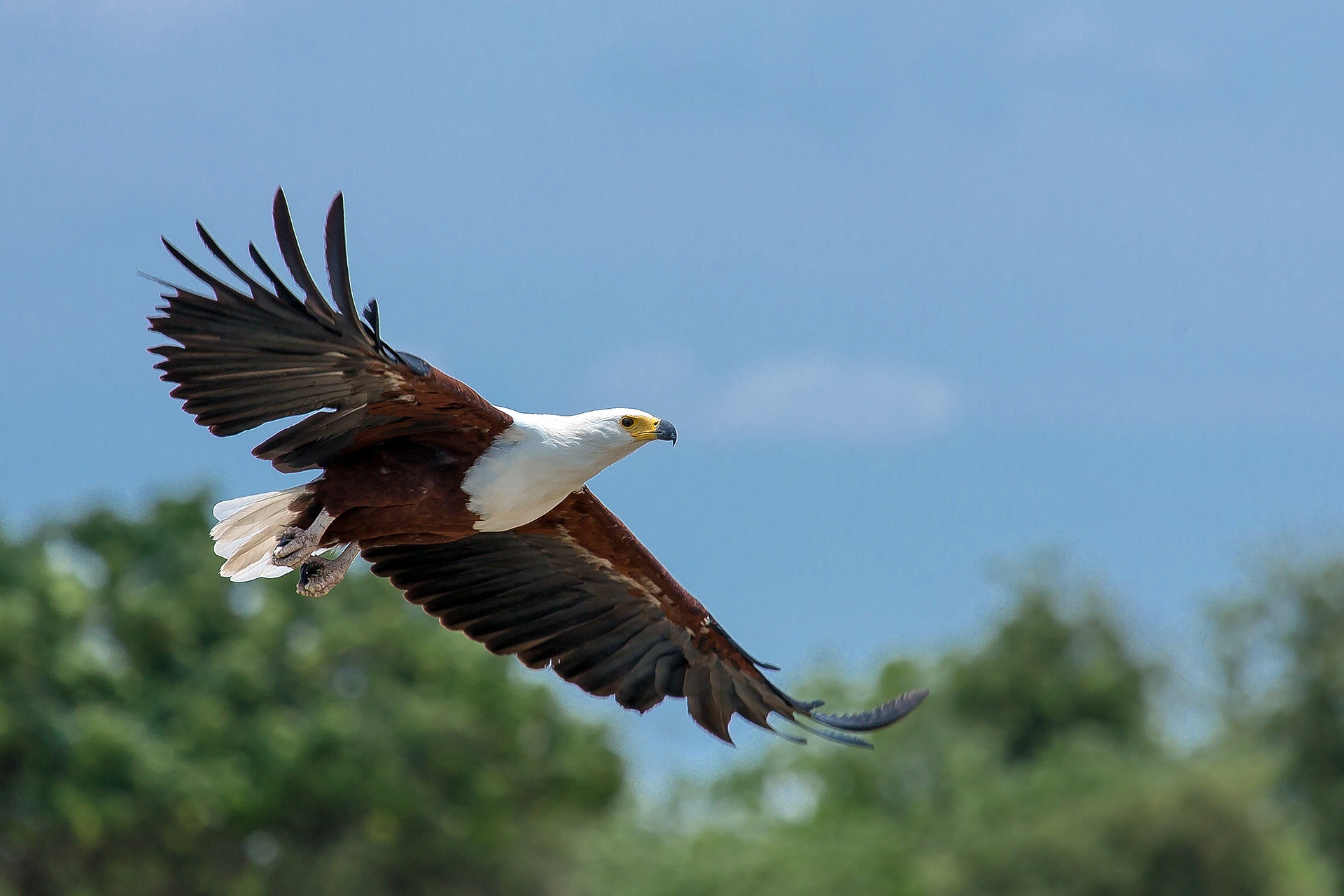
Queen Elizabeth National Park is one of the best bird watching destinations in Africa. More than 600 bird species have been recorded here, more than any other park in Uganda. The diversity of habitats, from savannah to forest to wetland, creates a haven for birds.
The Kazinga Channel is a bird watcher’s paradise. African fish eagles are everywhere, their distinctive calls echoing across the water. Pied kingfishers hover above the surface, then dive for fish. Herons, egrets, and storks line the shores. The rare shoebill stork is sometimes seen in the wetlands. The Maramagambo Forest is home to forest species, including the great blue turaco, the African green pigeon, and the black bee eater. The crater lakes attract flamingos, pelicans, and other waterbirds. And the savannah is home to ostriches, secretary birds, and numerous raptors.
Our guides are expert birders, able to identify species by sight and sound. Whether you are a dedicated birder or simply someone who appreciates the beauty of birds, Queen Elizabeth will delight and inspire.
Where to Stay while on a Queen Elizabeth National Park safari
Accommodations in and Around Queen Elizabeth
Queen Elizabeth offers a wide range of accommodations, from budget friendly guesthouses to luxurious safari lodges. Choosing the right accommodation can enhance your experience of the park.
Luxury Lodges: For those seeking the ultimate in comfort, Queen Elizabeth offers several world class lodges. Mweya Safari Lodge is the flagship property in the park, located on the Mweya Peninsula with stunning views of the Kazinga Channel. The lodge offers elegant rooms, a swimming pool, and exceptional service. Kyambura Gorge Lodge, located just outside the park, offers stylish accommodations with a focus on community and conservation. The lodge is set on a coffee plantation and offers stunning views of the gorge. Ishasha Wilderness Camp is a luxury tented camp in the remote Ishasha sector, offering an authentic bush experience with exceptional service.
Mid Range Lodges: There are many excellent mid range options in and around Queen Elizabeth. Elephant Hab Lodge offers comfortable bandas with stunning views of the park. Enganzi Game Lodge offers tented accommodations with en suite facilities. Buffalo Safari Lodge offers a range of accommodations, from budget bandas to luxury cottages.
Budget Accommodations: For travelers on a tighter budget, Queen Elizabeth offers basic guesthouses and campsites. The Mweya Hostel offers simple rooms with shared facilities. There are also campsites available for those who wish to experience the park under canvas.
Our travel designers will help you choose the accommodation that best matches your preferences and budget.
When to do a Queen Elizabeth National Park safari
Queen Elizabeth can be visited year round, but the experience varies by season. The dry seasons from June to September and December to February offer the best wildlife viewing. The vegetation is less dense, and the animals gather around the water sources. The roads are also in better condition, making game drives more comfortable.
The green seasons from March to May and October to November bring heavier rains. The vegetation becomes lush and green, and the landscapes are stunning. The bird life is at its peak, with migratory birds arriving from Europe and Asia. The roads can be challenging, and some areas may be inaccessible. However, the green seasons also bring lower prices and fewer crowds.
No matter when you visit, the Kazinga Channel boat safari is excellent year round. The hippos and other wildlife are always present, and the bird life is spectacular.
Combining Queen Elizabeth National Park safari With Other Destinations
Queen Elizabeth National Park safari
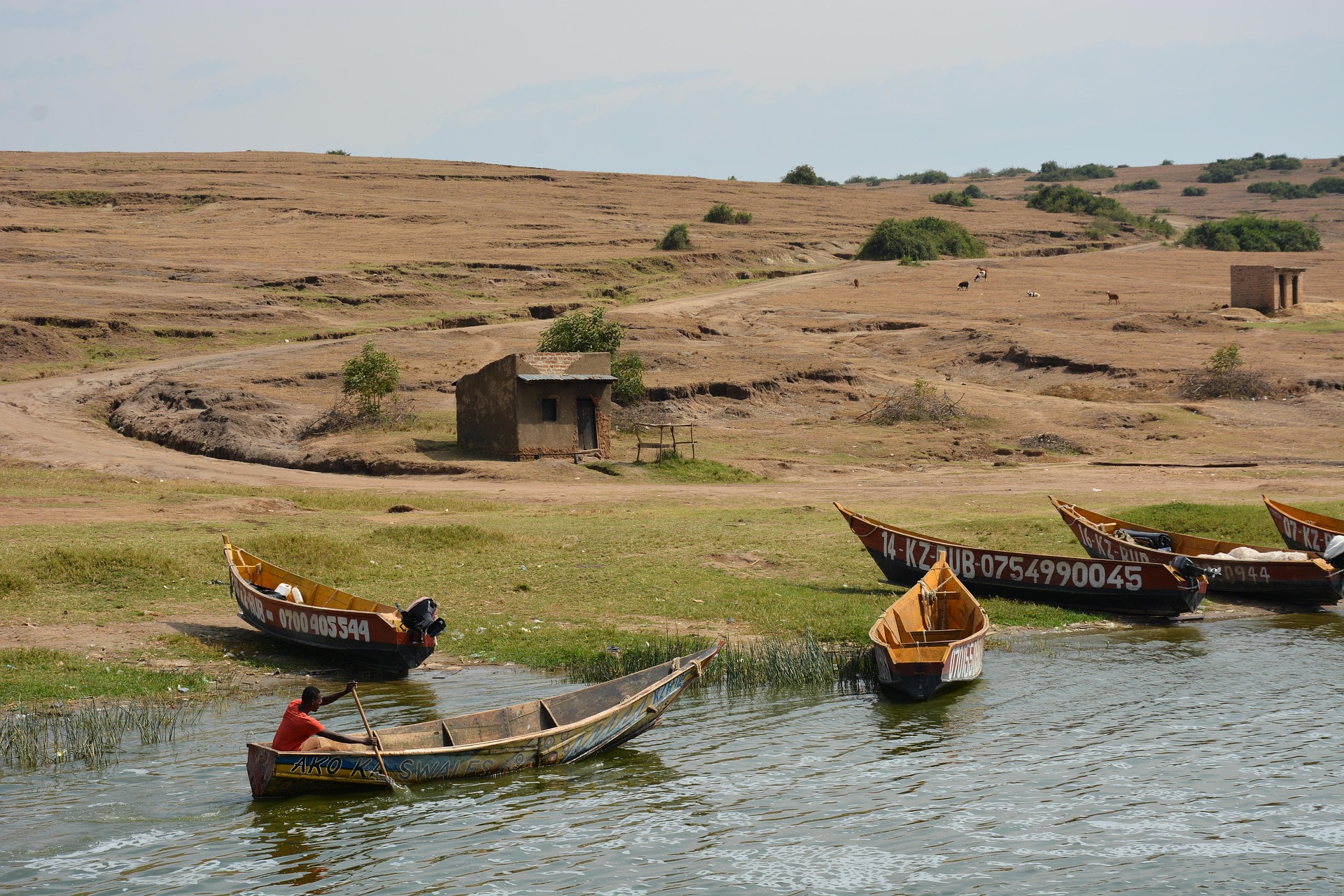
Queen Elizabeth is ideally located for combining with other destinations in Uganda. Many travelers pair Queen Elizabeth with gorilla trekking in Bwindi Impenetrable Forest, creating a comprehensive safari that includes both savannah and primate experiences. Others combine Queen Elizabeth with Kibale National Park, the Primate Capital of the World, for chimpanzee trekking. Queen Elizabeth is also within reach of the Rwenzori Mountains, the Semliki Valley, and the capital city of Kampala.
For those with more time, Queen Elizabeth can be combined with the Masai Mara in Kenya, the Serengeti in Tanzania, or the Volcanoes National Park in Rwanda. Our travel designers specialize in creating seamless multi destination itineraries that allow you to experience the full diversity of East Africa’s wildlife and landscapes.
Why Book Your Queen Elizabeth National Park safari With Africa Exotic Safaris
We are a locally owned company with deep roots in Uganda. We have been guiding travelers to Queen Elizabeth for more than a decade. We know the park, the wildlife, and the guides. We have personal relationships with the best lodges, the most experienced rangers, and the most knowledgeable guides. We design itineraries that balance game drives, boat safaris, and cultural experiences. And we are available 24/7 while you travel, because we know that peace of mind is the foundation of a great safari.
When you book with us, you are not just a customer. You are a guest. You are a partner in conservation. And you are family.
Ready to Discover Where Lions Climb Trees and Hippos Crowd the Channel?
Your Queen Elizabeth National Park safari Awaits
You have read about the lions in the fig trees and the hippos crowding the Kazinga Channel. You have imagined yourself gliding through the water, watching elephants drink at the shore. You have dreamed of an experience that captures the magic of Africa. Now it is time to turn those dreams into reality. Queen Elizabeth is waiting for you. The lions are waiting. The hippos are calling.
Africa Exotic Safaris – Unforgettable journeys through Kenya, Tanzania, Uganda, Rwanda, and beyond. Luxury, adventure, and conservation.