
KIBALE NATIONAL PARK |KIBALE CHIMPANZEE TREKKING GUIDE
The Primate Capital of the World
Kibale chimpanzee trekking guide
In the heart of western Uganda, where the lush green hills roll toward the Rift Valley, lies a forest that holds a secret. Kibale National Park is not the largest protected area in Uganda. It is not the most famous. But for those who know, it is one of the most extraordinary places on earth. This is the Primate Capital of the World. Within its 795 square kilometers, Kibale is home to the highest density of primates found anywhere on the continent. Thirteen species call this forest home, including the largest population of wild chimpanzees in East Africa. The forest echoes with the hoots and screams of chimps, the rustle of red colobus monkeys in the canopy, and the gentle calls of L’Hoest’s monkeys moving through the undergrowth. For primate enthusiasts, for bird watchers, for anyone who has ever wondered what it would be like to walk among our closest relatives, Kibale is a dream made real. At Africa Exotic Safaris, we have been guiding travelers into this remarkable forest for more than a decade. We know the trails, the chimp families, and the rhythms of this unique ecosystem. We invite you to discover the Primate Capital of the World.
Why Kibale chimpanzee trekking guide Is Special
You may be wondering why Kibale National Park is considered the primate capital of the world. The answer lies in its extraordinary diversity. Nowhere else on earth will you find such a high concentration of primates in such a small area. The forest is home to 13 different primate species, from the tiny bushbaby that emerges at night to the majestic chimpanzee that dominates the canopy by day. The red colobus monkey, the black and white colobus monkey, the blue monkey, the L’Hoest’s monkey, the gray cheeked mangabey, the vervet monkey, the olive baboon, the potto, and several species of galago all thrive in Kibale’s diverse habitats.
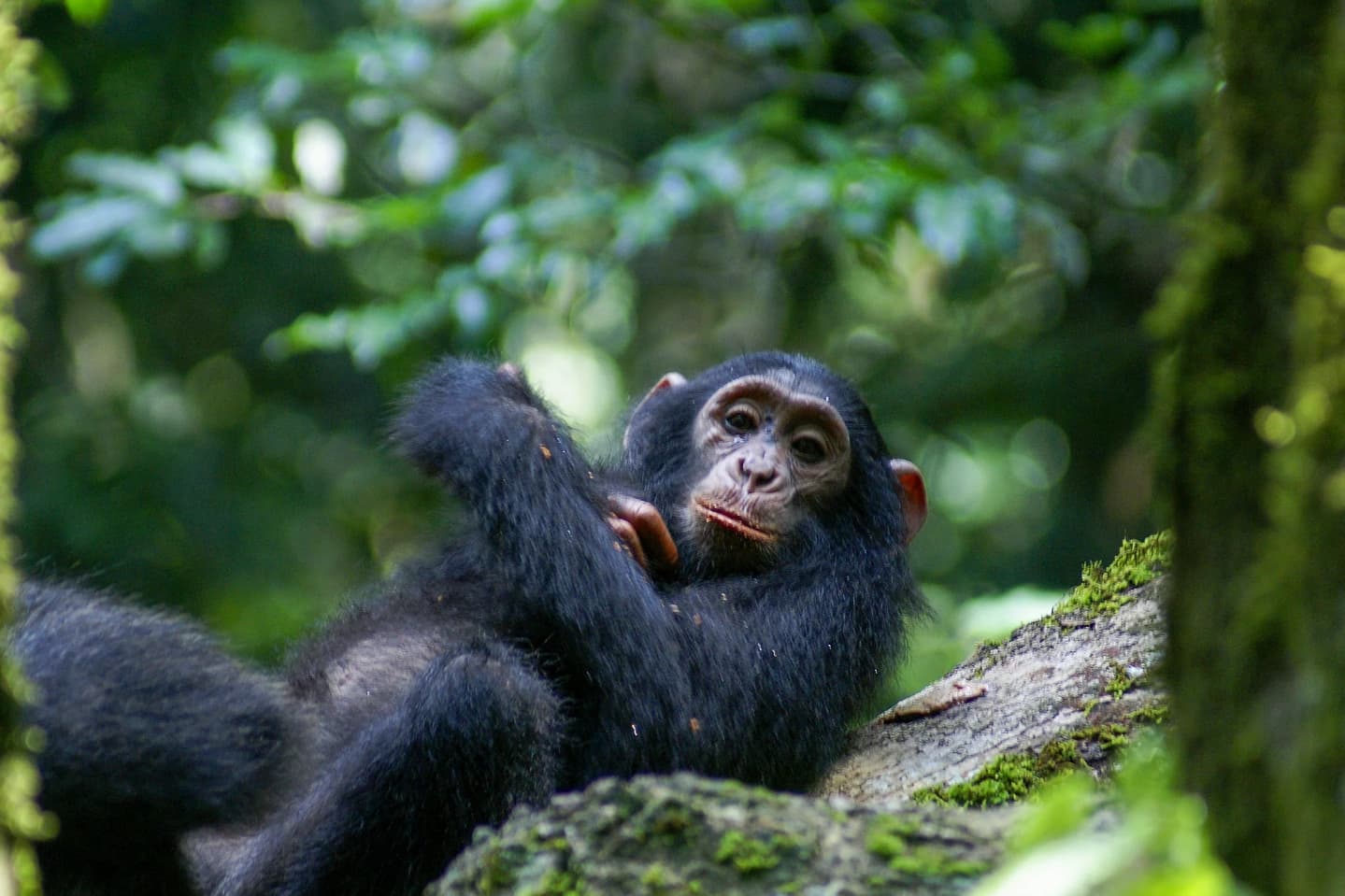
But Kibale’s true treasure is its chimpanzees. More than 1,500 chimpanzees live in the forest, forming one of the largest and most stable populations in Africa. Several communities have been habituated for tourism, allowing visitors to spend time with these remarkable creatures in their natural habitat. The chimpanzee trek in Kibale is one of the most rewarding wildlife experiences on the continent. It is not a zoo. It is not a sanctuary. It is a wild forest, and the chimps are wild, living their lives as they have for millennia. To watch them swing through the canopy, to hear their calls echo through the trees, to see the intelligence in their eyes is to understand our own place in the natural world.
The Chimpanzee Trekking Experience | Kibale chimpanzee trekking guide
A Journey Into the Canopy
Kibale chimpanzee trekking guide
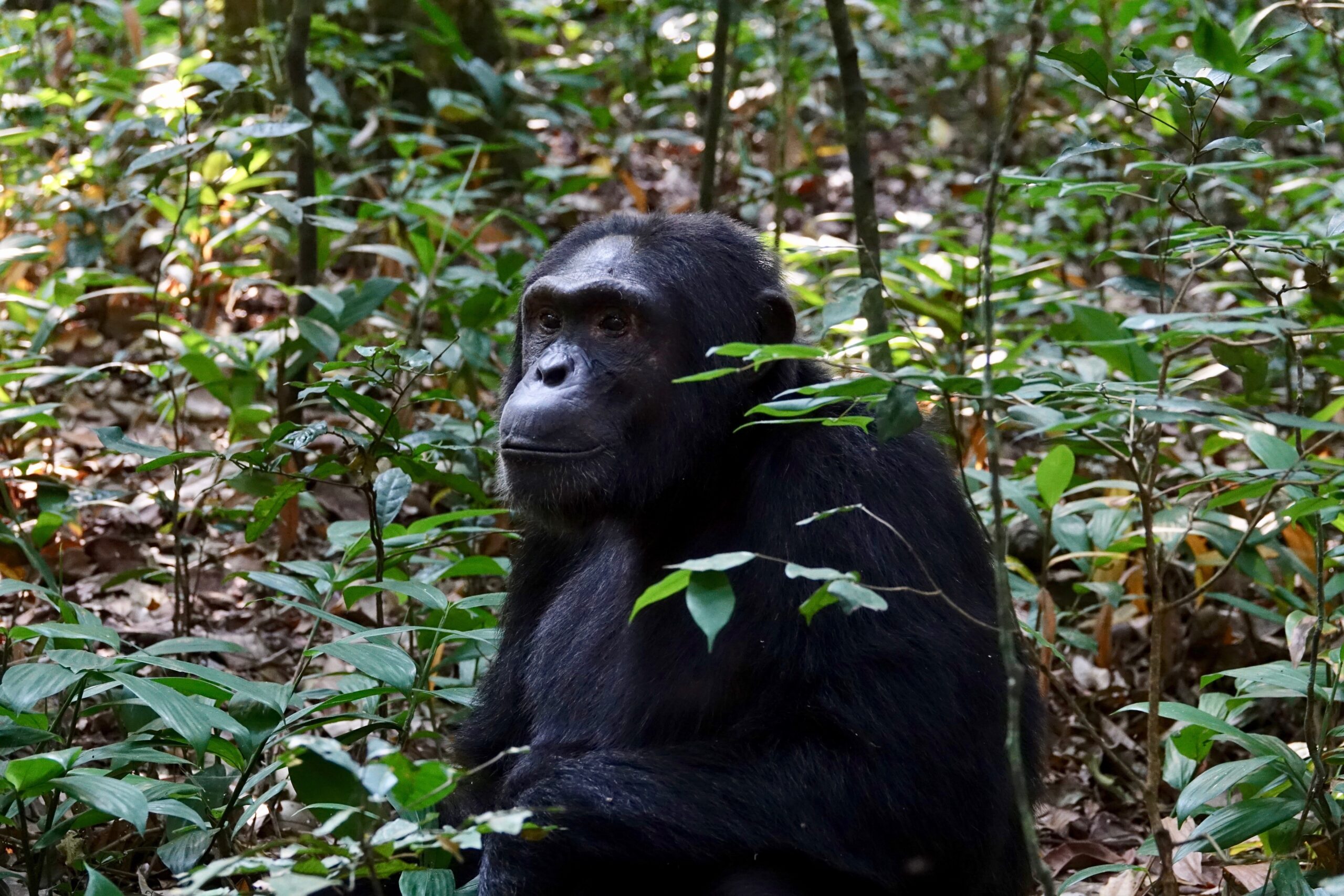
The day of your chimpanzee trek begins early. You gather at the park headquarters, where your guide briefs you on what to expect. Chimpanzees are not gorillas. They are energetic, vocal, and constantly on the move. The trek can be challenging, but the reward is watching these extraordinary creatures in their natural habitat.
You drive to the trailhead and begin your walk into the forest. The trails wind through tall trees draped in moss and vines. The air is thick with the scent of earth and vegetation. Your guide listens for the calls of the chimps, which can carry for more than a kilometer through the forest. The trackers who have been monitoring the chimps since dawn communicate by radio, letting your guide know exactly where the community has moved.
When you find them, the experience is exhilarating. Chimpanzees are not quiet. They hoot and scream, beat their chests, and crash through the branches. You will watch them feed on fruits, groom each other, and interact in ways that feel remarkably human. Infants cling to their mothers. Juveniles tumble and play. Adult males display their strength, charging through the undergrowth or drumming on tree roots. The hour passes quickly, filled with wonder and discovery.
After your trek, you have the option to take a guided walk through the forest to see other primates and birds. Kibale is also home to the Bigodi Wetland Sanctuary, a community run project that offers excellent bird watching and the chance to see other primates, including the rare red colobus monkey.
Chimpanzee permits cost $300 per person for the standard trek.
The Chimpanzee Habituation Experience
A Full Day With Our Closest Relatives
Kibale chimpanzee trekking guide
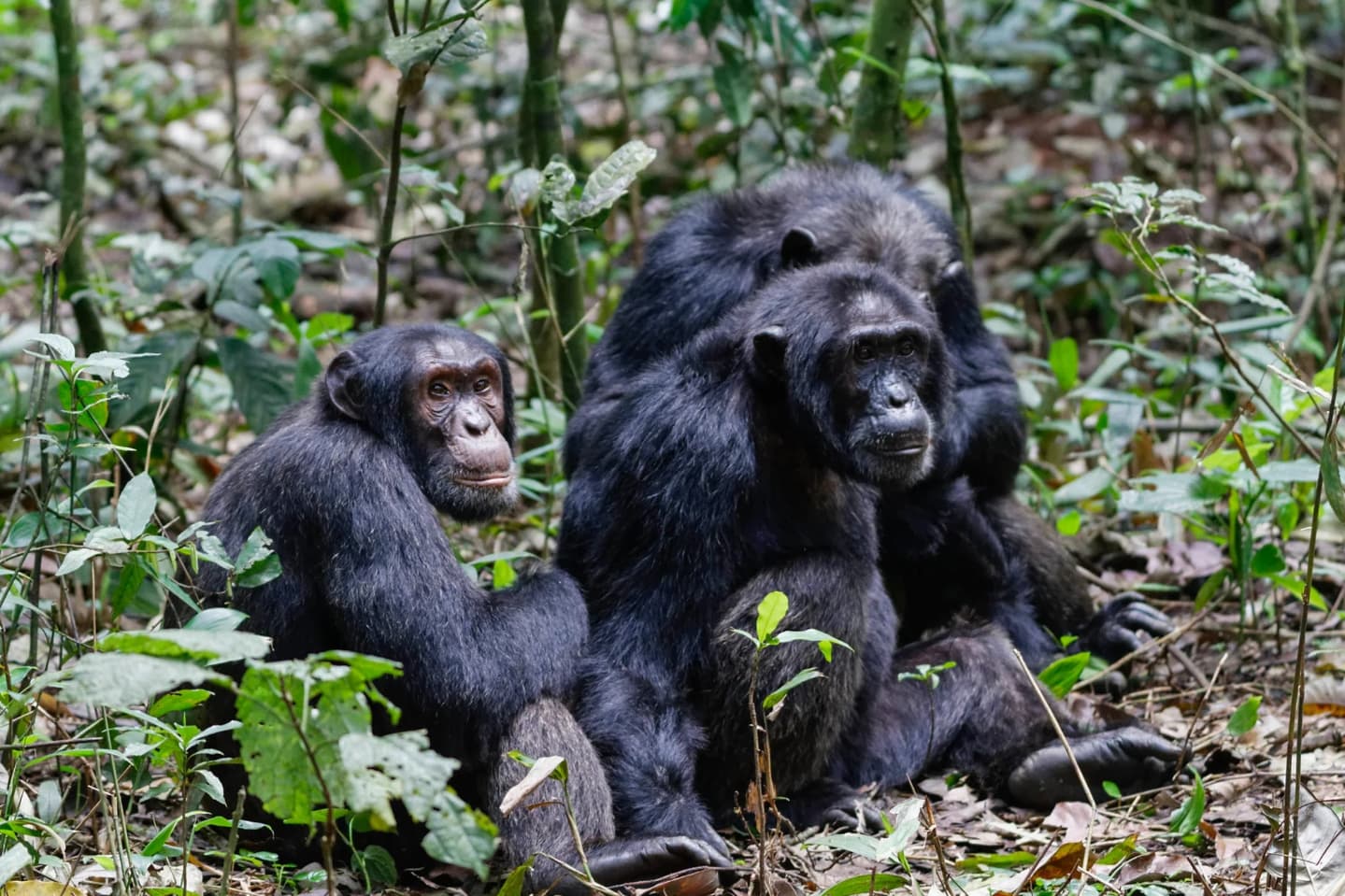
For travelers who want more than the standard hour with the chimps, the Chimpanzee Habituation Experience offers a truly extraordinary opportunity. This full day activity takes you into the forest with researchers and trackers who are working to accustom a chimpanzee community to human presence. You will spend the entire day with the chimps, from the moment they descend from their night nests until they build new nests at dusk.
The experience begins before dawn. You meet your guide and the researchers at the park headquarters and set out into the forest. The trackers have located the chimps’ night nests, and you wait nearby for the first signs of movement. As the sun rises, the chimps stir. They descend from the trees and begin their day. You follow them as they move through the forest, foraging, playing, and interacting. The researchers record their observations, and you have the privilege of watching the habituation process unfold.
The Chimpanzee Habituation Experience offers a depth of connection that the standard trek cannot match. You will see behaviors that most visitors never witness: hunting, tool use, complex social interactions. You will learn about the individual personalities of the chimps, their relationships, and their place in the community. You will gain a deeper understanding of what it means to be a chimpanzee, and what their survival means for our own species.
The experience is limited to just four participants per day, making it one of the most exclusive wildlife experiences in Africa. It requires a high level of fitness, as you will be walking for most of the day on uneven terrain. But for those who are up to the challenge, it is an unforgettable journey into the world of our closest relatives.
The Chimpanzee Habituation Experience costs $500 per person.
The Primates of Kibale. | Kibale chimpanzee trekking guide
A Symphony of Species
While chimpanzees are the stars of Kibale, the forest is alive with primate life. Walking through the forest, you will encounter a symphony of species, each with its own behavior, its own voice, its own place in the ecosystem.
Red Colobus Monkey: These striking primates, with their reddish brown fur and distinctive calls, are among the most frequently seen monkeys in Kibale. They move through the canopy in large troops, feeding on leaves and fruits. Their loud calls echo through the forest, a constant backdrop to the chimpanzee trek.
Black and White Colobus Monkey: With their flowing white tails and dramatic black and white coats, these monkeys are among the most beautiful in Africa. They are acrobatic and graceful, leaping from branch to branch with ease. Their deep, resonant calls are one of the signature sounds of the forest.
L’Hoest’s Monkey: This shy and elusive monkey is a Albertine Rift endemic, found only in the forests of the region. With their dark fur and distinctive white beards, they are a prize for primate enthusiasts. They spend more time in the undergrowth than the canopy, making them harder to spot but all the more rewarding when you do.
Gray Cheeked Mangabey: These large, social monkeys live in troops that can number more than 50 individuals. Their loud, whooping calls carry through the forest, often signaling the presence of predators or other disturbances. They are among the most vocal primates in Kibale.
Blue Monkey: Despite their name, these monkeys are not blue. They are a dusty gray, with a distinctive blue tinge to their fur. They are common in Kibale, often seen moving through the canopy in small groups.
Olive Baboon: These large, ground dwelling primates are common in Kibale, often seen foraging along the forest edges and roadsides. They are highly social, living in troops that can number more than 100 individuals.
Bushbabies and Pottos: As night falls, Kibale’s nocturnal primates emerge. The bushbaby, with its large eyes and haunting calls, is a common sight on night walks. The potto, slow moving and secretive, is harder to spot but equally fascinating.
Bird Watching in Kibale
A Paradise for Birders
Kibale chimpanzee trekking guide
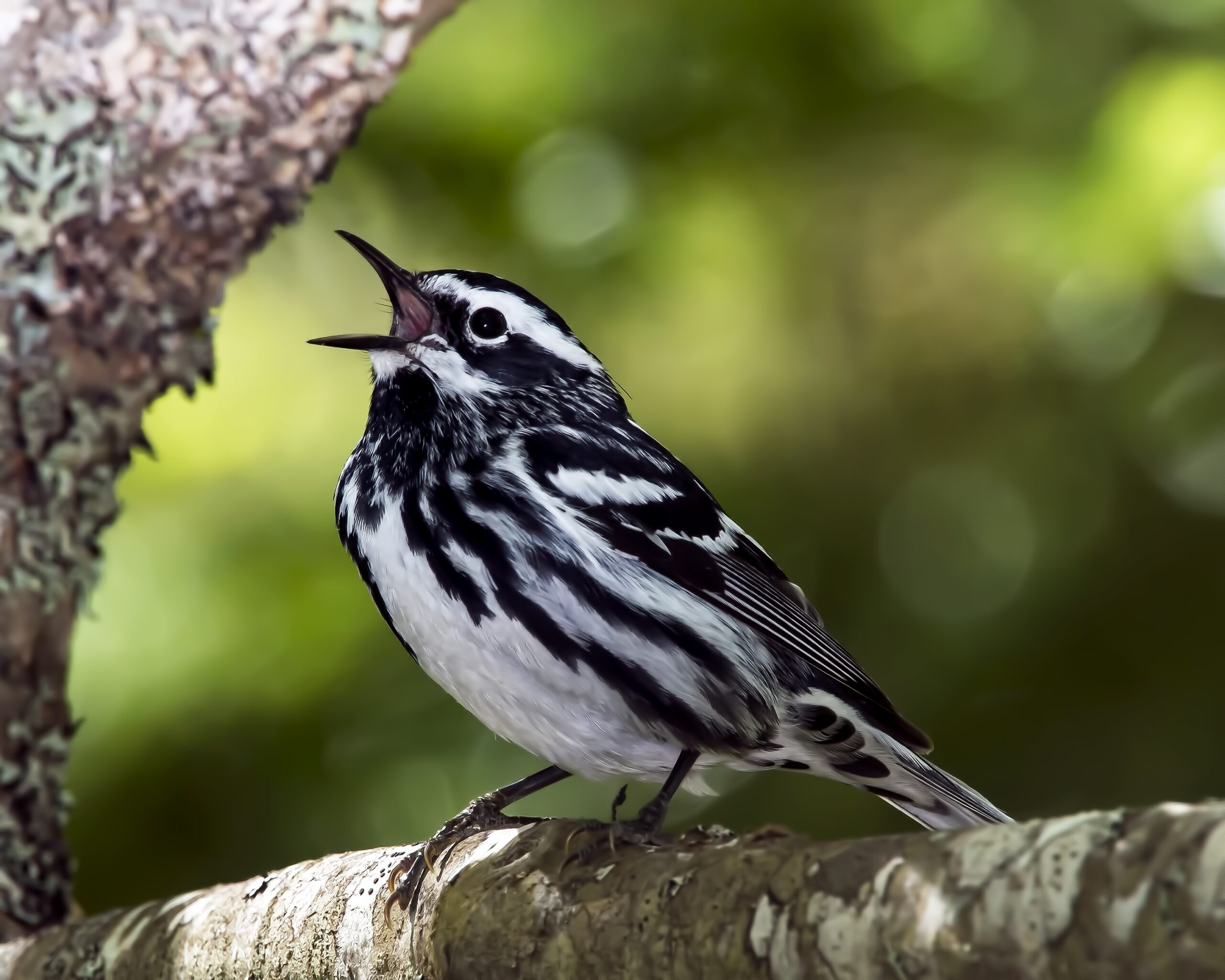
Kibale is not just a primate capital. It is also one of Uganda’s premier bird watching destinations. More than 375 bird species have been recorded in the forest, including several Albertine Rift endemics found nowhere else on earth. The African pitta, a colorful and elusive bird, is one of the most sought after species in the forest. The great blue turaco, with its stunning blue and green plumage, is a common sight in the canopy. The green breasted pitta, the yellow billed barbet, and the black bee eater are among the many species that draw birders from around the world.
The forest is also home to the rare and spectacular shoebill stork, though this prehistoric looking bird is more commonly seen in other parts of Uganda. The Bigodi Wetland Sanctuary, located just outside the park, offers excellent bird watching, with more than 200 species recorded. A guided walk through the wetland can reveal the papyrus gonolek, the white winged warbler, and the striking blue breasted kingfisher.
Our guides are expert birders, able to identify species by sight and sound. Whether you are a dedicated birder or simply someone who appreciates the beauty of birds, Kibale will delight and inspire.
The Bigodi Wetland Sanctuary. Kibale chimpanzee trekking guide
Community Conservation in Action. | Kibale chimpanzee trekking guide
Just outside Kibale National Park lies the Bigodi Wetland Sanctuary, a community run project that is a model of sustainable tourism. The sanctuary was established to protect the wetland and its wildlife while providing economic benefits to the local community. A guided walk through the wetland is one of the highlights of any visit to Kibale.
The wetland is a haven for bird life, with more than 200 species recorded. The papyrus gonolek, the white winged warbler, and the blue breasted kingfisher are among the many species that can be seen. The sanctuary is also home to several primate species, including red colobus monkeys, black and white colobus monkeys, and olive baboons. The rare and elusive sitatunga, a semi aquatic antelope, can sometimes be spotted in the swampy areas.
But Bigodi is about more than wildlife. It is about community. The sanctuary is managed by the local community, and the guides are local residents who have been trained in conservation and tourism. The fees from the walks support community projects, including schools, health clinics, and microfinance programs. A visit to Bigodi is not just a nature walk. It is a contribution to a community that has chosen conservation over exploitation.
Where to Stay
Accommodations in and Around Kibale. | Kibale chimpanzee trekking guide
Kibale offers a range of accommodations, from budget friendly guesthouses to luxurious eco lodges. Choosing the right accommodation can enhance your experience of the forest.
Luxury Lodges: For those seeking the ultimate in comfort, Kibale offers several world class lodges. Kyaninga Lodge is one of the most stunning properties in Uganda, perched on the edge of a crater lake with views of the Rwenzori Mountains. The lodge offers elegant cottages, a swimming pool, and exceptional service. Ndali Lodge, also set on a crater lake, offers a classic safari experience with comfortable bandas, excellent food, and a warm, welcoming atmosphere. Papaya Lake Lodge, a boutique property set among the rolling hills, offers stylish accommodations and personalized service.
Mid Range Lodges: There are many excellent mid range options in the Kibale area. Kibale Forest Camp offers comfortable tented accommodations with en suite facilities, located just outside the park entrance. Chimpanzee Forest Lodge offers bandas and cottages with forest views, along with a restaurant and bar. Primate Lodge, located inside the park, offers both luxury cottages and budget friendly bandas, along with a restaurant and bar.
Budget Accommodations: For travelers on a tighter budget, Kibale offers basic guesthouses and campsites. The Kibale Guesthouse offers simple rooms with shared facilities. There are also campsites available for those who wish to experience the forest under canvas.
Our travel designers will help you choose the accommodation that best matches your preferences and budget.
When to Visit Kibale. | Kibale chimpanzee trekking guide
Kibale can be visited year round, but the experience varies by season. The dry seasons from June to September and December to February offer the easiest trekking conditions. The trails are less muddy, the vegetation less dense, and the visibility better. These are the most popular times to visit, so permits should be booked well in advance.
The green seasons from March to May and October to November bring heavier rains. The trails become muddy and slippery, and the trekking is more challenging. However, the green seasons also bring lower prices, fewer crowds, and stunning landscapes. The forest is lush and vibrant, and the bird life is at its peak. For adventurous travelers who do not mind a bit of mud, the green seasons offer a wonderful experience.
No matter when you visit, come prepared for rain. The weather in Kibale is unpredictable, and it can rain at any time. Sturdy waterproof hiking boots, a waterproof jacket, and long trousers are essential.
Combining Kibale With Other Destinations
Kibale chimpanzee trekking guide
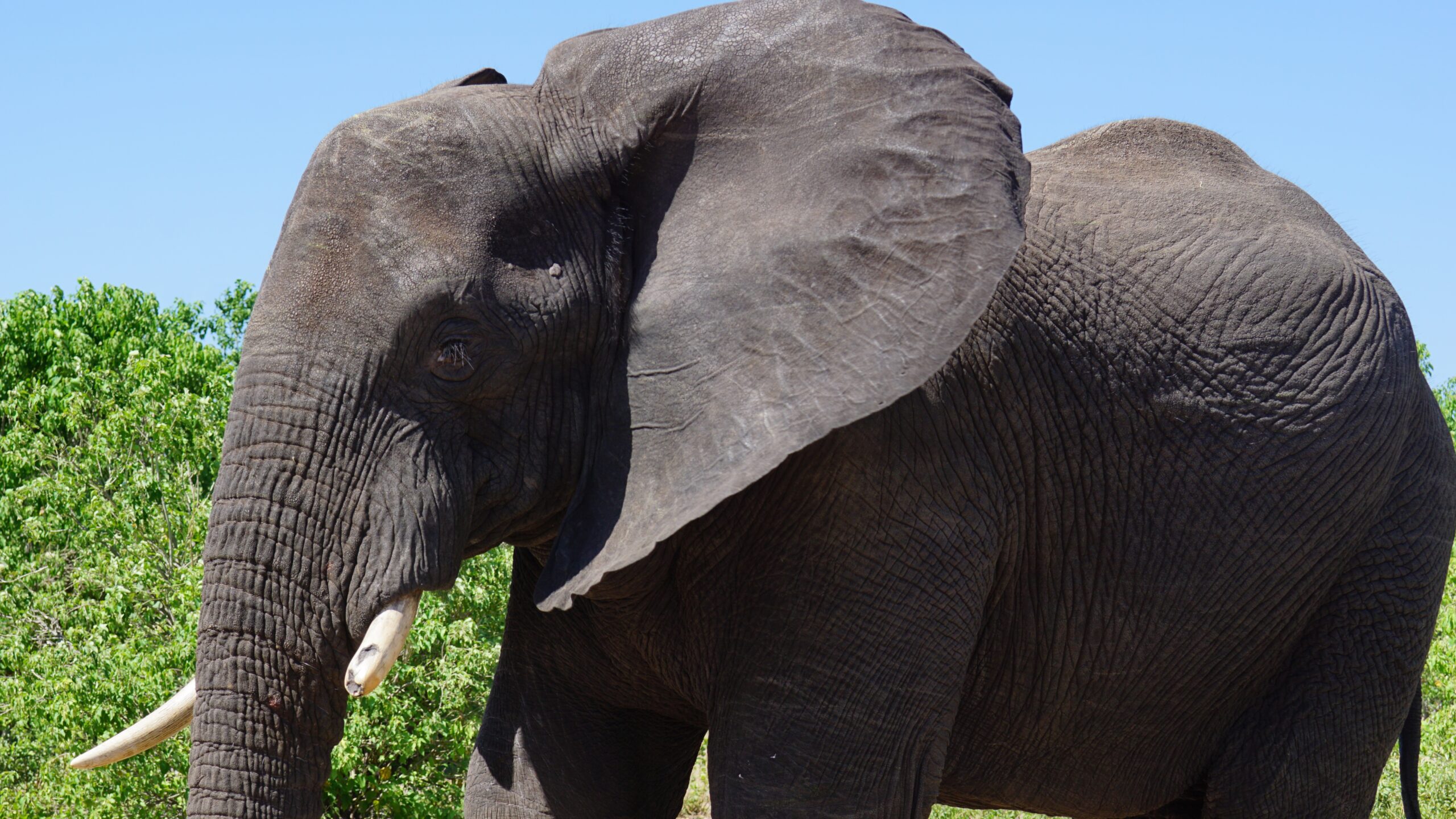
Kibale is ideally located for combining with other destinations in Uganda and beyond. Many travelers pair a visit to Kibale with gorilla trekking in Bwindi Impenetrable Forest, creating a comprehensive primate safari. Others combine Kibale with Queen Elizabeth National Park, where you can see tree climbing lions, elephants, and the famous Kazinga Channel boat safari. Kibale is also within reach of the Rwenzori Mountains, the Semliki Valley, and the capital city of Kampala.
For those with more time, Kibale can be combined with the Masai Mara in Kenya, the Serengeti in Tanzania, or the Volcanoes National Park in Rwanda. Our travel designers specialize in creating seamless multi destination itineraries that allow you to experience the full diversity of East Africa’s wildlife and landscapes.
Preparing for Your Chimpanzee Trek in our Kibale chimpanzee trekking guide
A chimpanzee trek is an adventure that requires some preparation. You should be reasonably fit. The treks can last anywhere from one hour to six hours, and the terrain is uneven and often muddy. Sturdy waterproof hiking boots with good ankle support are essential. Long trousers and long sleeved shirts will protect you from stinging nettles and insects. A waterproof jacket is a must, as rain can come suddenly. A day pack with water, snacks, and a camera is essential.
You should also prepare for the encounter itself. Chimpanzees are wild animals, and they can be unpredictable. You must maintain a safe distance at all times. You must not eat or drink near them. You must stay quiet and move slowly. If you are sick, you should not trek, as chimpanzees are susceptible to human illnesses. These rules are in place to protect the chimpanzees and to ensure that future generations can enjoy the same experience.
Conservation and Community. | Kibale chimpanzee trekking guide
Protecting the Primates for Future Generations
The primates of Kibale are a global treasure. Protecting them requires a commitment from all of us. Your visit to Kibale makes a direct contribution to conservation. A portion of your permit fee goes toward park management, anti poaching patrols, and community development projects. The presence of tourists also provides jobs for local people, giving them a financial incentive to protect the forest and its wildlife rather than exploit it.
The Kibale Chimpanzee Project, one of the longest running chimpanzee research programs in the world, is based in the forest. The researchers have been studying the chimps for decades, contributing to our understanding of chimpanzee behavior, ecology, and conservation. A portion of your permit fee supports this important research.
When you trek with us, you are not just a tourist. You are a partner in conservation. You are helping to ensure that the primates of Kibale will survive for generations to come.
Why Book Your Kibale Safari With Africa Exotic Safaris
We are a locally owned company with deep roots in Uganda. We have been guiding travelers to Kibale for more than a decade. We know the forest, the chimp families, and the guides. We have personal relationships with the best lodges, the most experienced trackers, and the most knowledgeable guides. We secure chimpanzee permits on your behalf, handling all the paperwork and advance planning. We design itineraries that balance the chimpanzee trek with other activities, including gorilla trekking, game drives, and cultural experiences. And we are available 24/7 while you travel, because we know that peace of mind is the foundation of a great safari.
When you book with us, you are not just a customer. You are a guest. You are a partner in conservation. And you are family.
Ready to Explore the Primate Capital of the World?
Your Kibale Adventure Awaits
You have read about the forest that echoes with the calls of chimpanzees. You have imagined yourself walking among the treetops, watching our closest relatives swing through the canopy. You have dreamed of an experience that will deepen your understanding of the natural world and your place in it. Now it is time to turn those dreams into reality. Kibale is waiting for you. The chimpanzees are waiting. The forest is calling.
Africa Exotic Safaris – Unforgettable journeys through Kenya, Tanzania, Uganda, Rwanda, and beyond. Luxury, adventure, and conservation.