
AKAGERA NATIONAL PARK SAFARI
Akagera National Park safari
Rwanda’s Savannah Revival | Akagera National Park safari
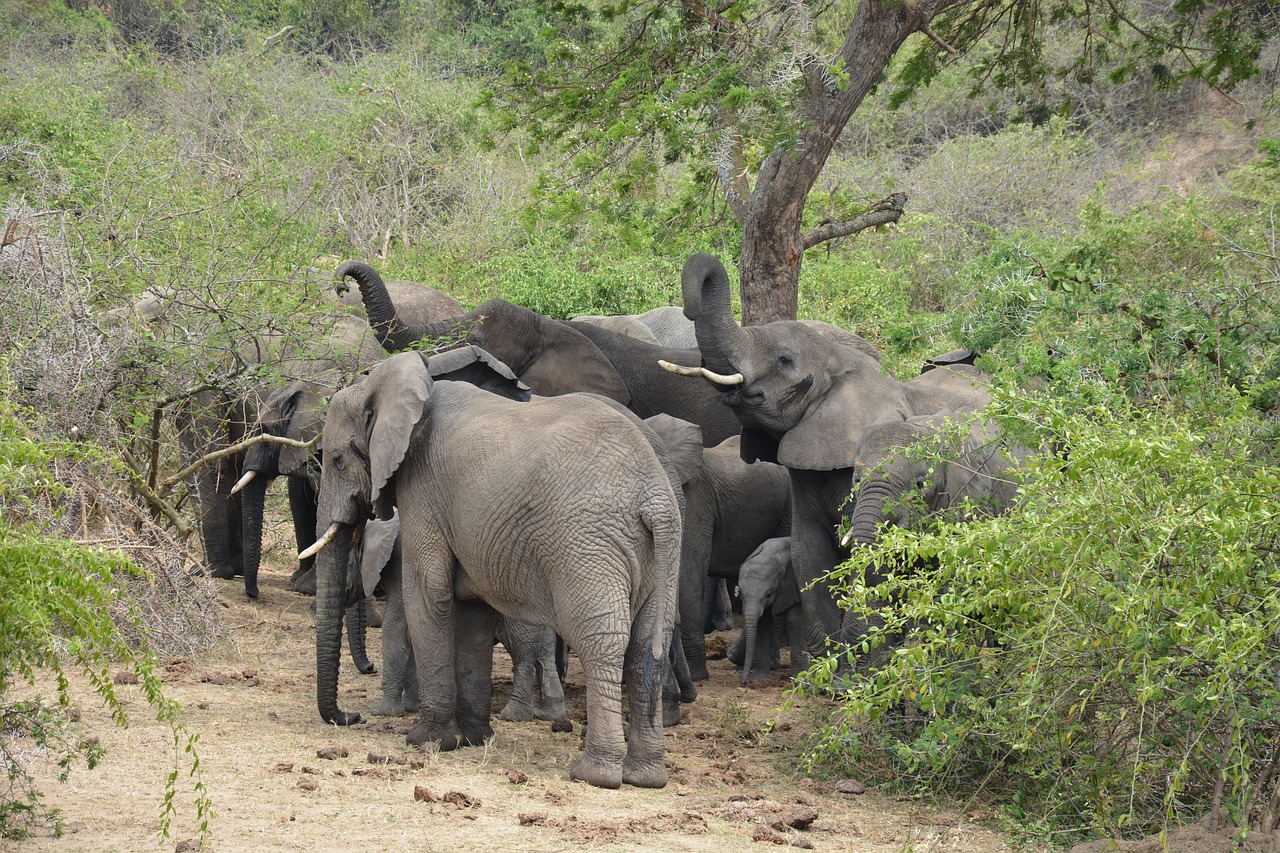
Most travelers come to Rwanda for the gorillas. They fly into Kigali, drive to the misty volcanoes of the northwest, and leave with memories of a lifetime. But those who venture east are rewarded with a different kind of magic. Akagera National Park is Rwanda’s savannah revival, a story of conservation triumph that is one of the most inspiring in Africa. The park stretches along the border with Tanzania, a landscape of rolling hills, open plains, and papyrus swamps. It is named for the Kagera River, which winds through the park, creating a ribbon of life in the dry landscape. Akagera is a place of second chances. Lions were reintroduced in 2015 after a 20 year absence. Rhinos followed in 2017. Today, the park is home to the Big Five: lion, leopard, elephant, buffalo, and rhino. The game drives here are classic African safaris. You will search for elephants drinking at the lake, lions lounging in the grass, and giraffes browsing on acacia trees. Boat safaris on Lake Ihema offer close encounters with hippos and crocodiles, along with some of the best bird watching in the country. Akagera is not as wildlife dense as Tanzania’s Serengeti or Kenya’s Masai Mara, but it offers a different kind of magic. It is a place of hope, a place of renewal, a place where conservation is working. At Africa Exotic Safaris, we believe that the best journeys include the chance to witness conservation in action. We invite you to discover Akagera National Park, Rwanda’s savannah revival.
Why Akagera National Park safari Is Special
You may be wondering what makes Akagera National Park stand out among Rwanda’s many attractions. The answer lies in its story, its diversity, and its sense of hope. Akagera is a conservation success story. In the 1990s, the park was devastated by the aftermath of the genocide. Poaching decimated the wildlife. Settlers encroached on the park. The future looked bleak. But a partnership between the Rwandan government and African Parks turned things around. Lions were reintroduced in 2015 after a 20 year</strong> absence. Rhinos followed in 2017. Today, the park is thriving, with wildlife populations growing and tourism providing economic benefits to local communities.
Akagera is also one of the most diverse parks in Africa. The landscape is a mosaic of habitats, from the open savannah of the north to the rolling hills of the central region to the papyrus swamps of the south. The Kagera River and Lake Ihema create a wetland ecosystem that attracts a variety of waterbirds and wildlife. The park is home to more than 500 bird species, making it a paradise for birders.
But what truly sets Akagera apart is its sense of hope. This is a place where conservation is working. The rhinos are breeding. The lions are thriving. The elephants are increasing. And the local communities are benefiting from tourism. A visit to Akagera is not just a safari. It is a chance to see conservation in action.
The Wildlife of Akagera
The Big Five and Beyond
Akagera is one of the few places in Africa where you can see the Big Five: lion, leopard, elephant, buffalo, and rhino. The park’s wildlife populations have recovered remarkably in recent years, and sightings are becoming more frequent.
Akagera National Park safari
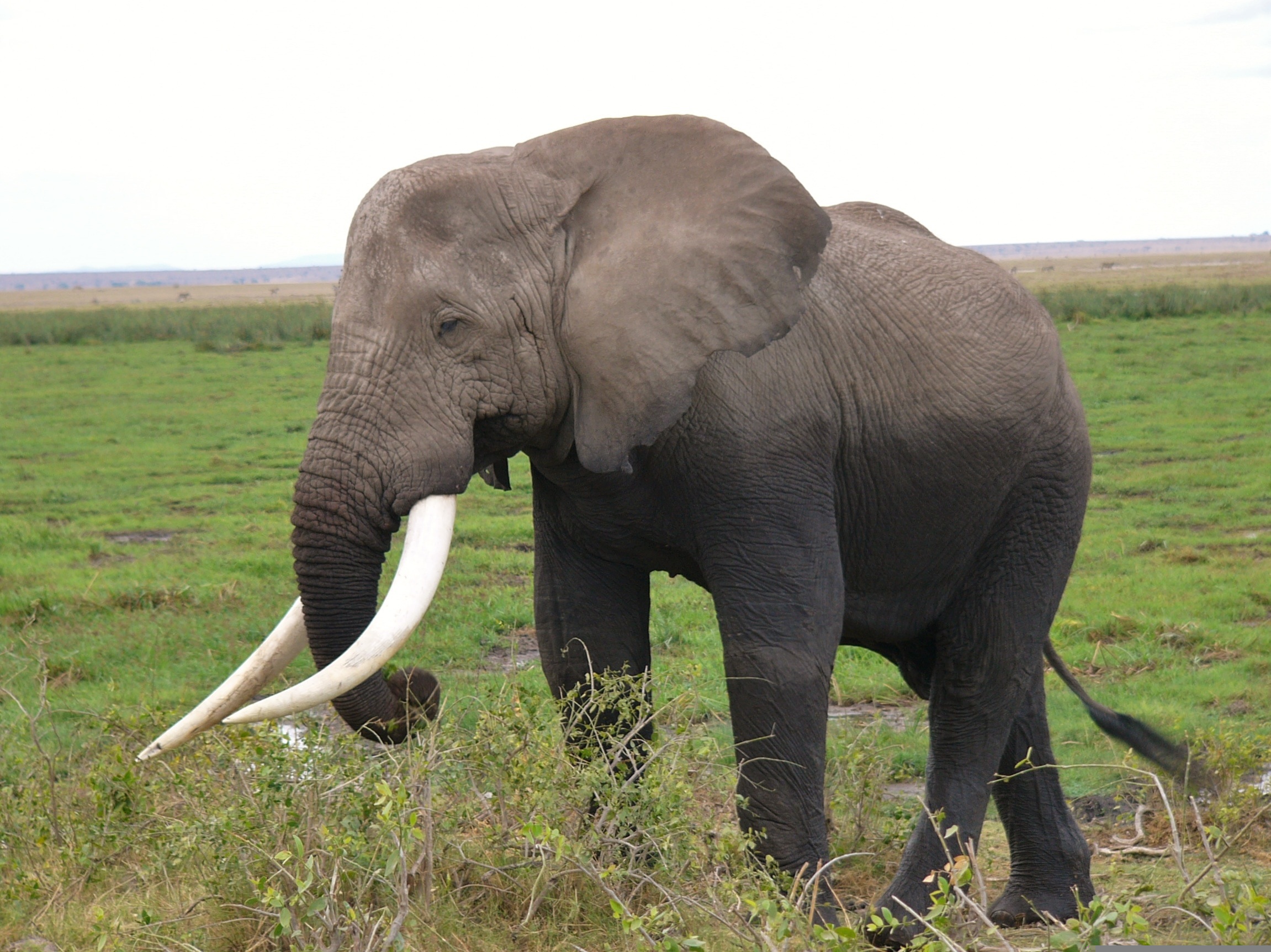
Elephants: Akagera is home to a growing population of elephants. They are most commonly seen in the northern part of the park, where they gather around Lake Ihema and the swamps. The elephants here are impressive, with large tusks and a wildness that comes from living in a remote and protected landscape.
Buffalo: Large herds of buffalo roam the savannah of Akagera. They are most commonly seen in the central and northern parts of the park. The herds can number in the hundreds, and they are often accompanied by birds that feed on the insects they disturb.
Lions: Lions were reintroduced to Akagera in 2015 after a 20 year absence. The population has grown steadily, and lions are now seen regularly in the park. They are most commonly spotted in the northern savannah, where they hunt the herds of zebra and antelope.
Rhinos: Black rhinos were reintroduced to Akagera in 2017, followed by white rhinos in 2021. The rhino population is still small, but it is growing. The rhinos are protected by a dedicated anti poaching team, and sightings are becoming more frequent. A visit to Akagera offers a rare chance to see these magnificent animals in the wild.
Leopards: Leopards are present in Akagera, though they are elusive. They are most commonly seen in the woodlands and rocky outcrops of the central and northern parts of the park.
Giraffes: Akagera is home to a population of Masai giraffes. They are most commonly seen in the northern savannah, browsing on acacia trees. The giraffes here are beautiful, with their distinctive irregular spots.
Zebras and Antelope: Akagera is home to a variety of antelope, including zebras, impalas, topis, roan antelope, and eland. The herds are large and visible, especially in the northern savannah.
Boat Safaris on Lake Ihema
A Different Perspective on Wildlife
Lake Ihema is the largest lake in Akagera National Park, a beautiful expanse of water surrounded by papyrus swamps and forest. A boat safari on Lake Ihema is one of the highlights of any visit to the park. You will board a comfortable boat and glide out onto the water. The lake is calm, the views are stunning, and the wildlife is everywhere.
Hippos are the stars of the boat safari. They crowd the shallows, their massive bodies half submerged, their grunts and splashes filling the air. You will see mothers with calves, bulls sparring for dominance, and groups of hippos lounging in the sun. Crocodiles bask on the sandbanks, their ancient eyes watching as you pass. Elephants come to the water’s edge to drink, their trunks curling and uncurling as they suck up the water. Buffalo wade into the shallows, their massive horns catching the light.
The bird life is spectacular. African fish eagles perch in the trees, their distinctive calls echoing across the water. Herons stand motionless in the shallows. Kingfishers dive for fish. Storks wade through the water, their long legs moving slowly. The rare shoebill stork, a prehistoric looking bird that is one of the most sought after species in Africa, is sometimes seen in the swamps around the lake.
The boat safari lasts about two to three hours, but it can feel like no time at all. You will be captivated by the abundance of life, the intimacy of the encounters, and the sheer beauty of the lake. The best times for boat safaris are early morning and late afternoon, when the light is soft and the animals are most active.
Bird Watching in Akagera
Akagera National Park safari
A Paradise for Birders
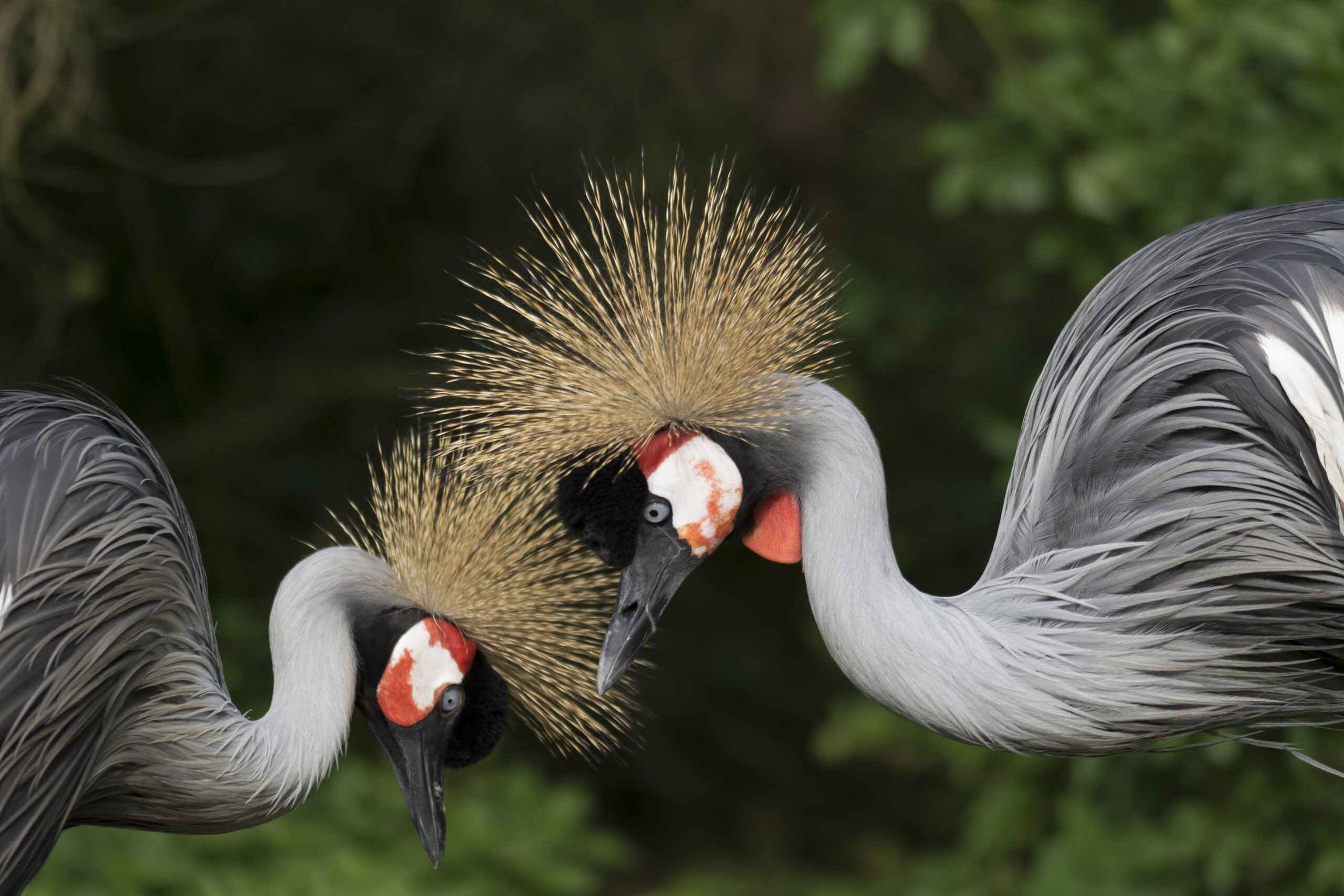
Akagera is one of the best bird watching destinations in Africa. More than 500 bird species have been recorded in the park, the highest number of any protected area in Rwanda. The diversity of habitats, from savannah to wetland to forest, creates a haven for birds.
The papyrus swamps of Lake Ihema are home to the rare shoebill stork, a prehistoric looking bird that is one of the most sought after species in Africa. The swamps are also home to the papyrus gonolek, the white winged warbler, and the blue breasted kingfisher. The savannah is home to ostriches, secretary birds, and ground hornbills. The woodlands are home to a variety of raptors, including the martial eagle, the tawny eagle, and the bateleur. The lake is home to African fish eagles, herons, storks, and kingfishers.
The best time for bird watching is the wet season, from November to May, when migratory birds arrive from Europe and Asia. But even in the dry season, the bird life is spectacular. Our guides are expert birders, able to identify species by sight and sound.
The History of Akagera Akagera National Park
A Story of Decline and Revival
Akagera National Park was established in 1934, making it one of the oldest national parks in Africa. In its heyday, the park was home to large populations of wildlife, including lions, elephants, and rhinos. But the 1990s were a dark time. The aftermath of the genocide brought an influx of refugees and returning settlers, many of whom settled in the park. Poaching decimated the wildlife. By the early 2000s, the park’s wildlife populations had collapsed. Lions were extinct. Rhinos were gone. Elephants were few.
In 2010, the Rwandan government entered into a partnership with African Parks, a conservation organization that manages protected areas across Africa. The partnership has transformed Akagera. Settlers were relocated. Poaching was brought under control. The park was fenced to reduce human wildlife conflict. And wildlife was reintroduced. Lions returned in 2015. Black rhinos returned in 2017. White rhinos returned in 2021. Today, Akagera is a model of conservation success. The wildlife is thriving. Tourism is growing. And the local communities are benefiting.
A visit to Akagera is not just a safari. It is a chance to see conservation in action, to witness a place that has been brought back from the brink.
Where to Stay while on Akagera National Park safari
Accommodations in and Around Akagera
Akagera offers a range of accommodations, from budget friendly campsites to luxurious lodges. Choosing the right accommodation can enhance your experience of the park.
Luxury Lodges: For those seeking the ultimate in comfort, Akagera offers several world class properties. Ruzizi Tented Lodge is a stunning lodge on the shores of Lake Ihema, offering luxurious tents with stunning views of the lake. The lodge is known for its exceptional service, its excellent wildlife viewing, and its commitment to conservation. Magashi Camp is a luxury tented camp in the northern part of the park, offering exclusive accommodations with a focus on walking safaris and boating. The camp is located in a private concession, offering a more intimate experience.
Mid Range Lodges: There are several excellent mid range options in and around Akagera. Akagera Game Lodge is a comfortable lodge on the edge of the park, offering rooms with stunning views of the lake. The lodge has a restaurant, a bar, and a swimming pool. Karenge Bush Camp is a seasonal tented camp in the northern part of the park, offering comfortable accommodations with a focus on the wilderness experience.
Budget Accommodations: For travelers on a tighter budget, Akagera offers basic campsites. The public campsites in the park offer basic facilities and stunning locations. There are also guesthouses in the nearby town of Kayonza offering simple accommodations.
Our travel designers will help you choose the accommodation that best matches your preferences and budget.
When to Visit Akagera
Akagera can be visited year round, but the experience varies by season. The dry seasons from June to September and December to February offer the best wildlife viewing. The vegetation is less dense, and the animals gather around the water sources. The roads are also in better condition, making game drives more comfortable. This is the most popular time to visit, so booking in advance is recommended.
The wet seasons from March to May and October to November bring heavier rains. The vegetation becomes lush and green, and the bird life is at its peak. The roads can be challenging, and some areas may be inaccessible. However, the wet seasons also bring lower prices and fewer crowds. The park is particularly beautiful in the green season, with the landscapes lush and the skies dramatic.
No matter when you visit, the boat safari on Lake Ihema is excellent year round. The hippos and other wildlife are always present, and the bird life is spectacular.
Combining Akagera National Park safari With Other Destinations
Akagera is the perfect complement to a gorilla trekking safari in Volcanoes National Park or a chimpanzee trekking safari in href=”https://www.africaexoticsafaris.com/nyungwe-forest-national-park/”>Nyungwe Forest. The contrast between the misty mountains of the northwest and the open savannah of the east is part of the magic of Rwanda.
Akagera is also within easy reach of Kigali, making it a great option for a weekend getaway or for travelers with limited time. The drive from Kigali to the park takes about two and a half hours, making it one of the most accessible parks in the region.
Our travel designers specialize in creating seamless multi destination itineraries that allow you to experience the full diversity of Rwanda’s landscapes and wildlife.
Why Akagera Is Rwanda’s Savannah Revival
There is a reason why Akagera is called Rwanda’s savannah revival. It is a place of second chances, a place where conservation is working, a place where the wild is coming back. The lions are hunting on the plains. The rhinos are grazing in the grasslands. The elephants are gathering at the lake. The birds are filling the skies. It is a story of hope, a story of resilience, a story that is still being written.
Akagera is not the Serengeti. It is not the Masai Mara. It is something different. It is a place where you can witness the rebirth of a wilderness. It is a place where your visit makes a difference. It is a place that will leave you with hope.
Why Book Your Akagera National Park safari With Africa Exotic Safaris
We are a locally owned company with deep roots in East Africa, including Rwanda. We have been guiding travelers to Akagera for more than a decade. We know the park, the wildlife, and the guides. We have personal relationships with the best lodges, the most experienced rangers, and the most knowledgeable guides. We design itineraries that balance game drives with boat safaris, adventure with relaxation. And we are available 24/7 while you travel, because we know that peace of mind is the foundation of a great safari.
When you book with us, you are not just a customer. You are a guest. You are a partner in conservation. And you are family.
Ready to Discover Rwanda’s Savannah Revival?
Your Akagera National Park safari Awaits
You have read about the lions and the rhinos, the elephants and the hippos. You have imagined yourself gliding through the water, watching the wildlife come to drink. You have dreamed of a place where conservation is working, where the wild is coming back. Now it is time to turn those dreams into reality. Akagera is waiting for you. The savannah is calling. The adventure awaits.
Africa Exotic Safaris – Unforgettable journeys through Kenya, Tanzania, Uganda, Rwanda, and beyond. Luxury, adventure, and conservation.